The Truth About Wage Theft in New Jersey’s Service Industries
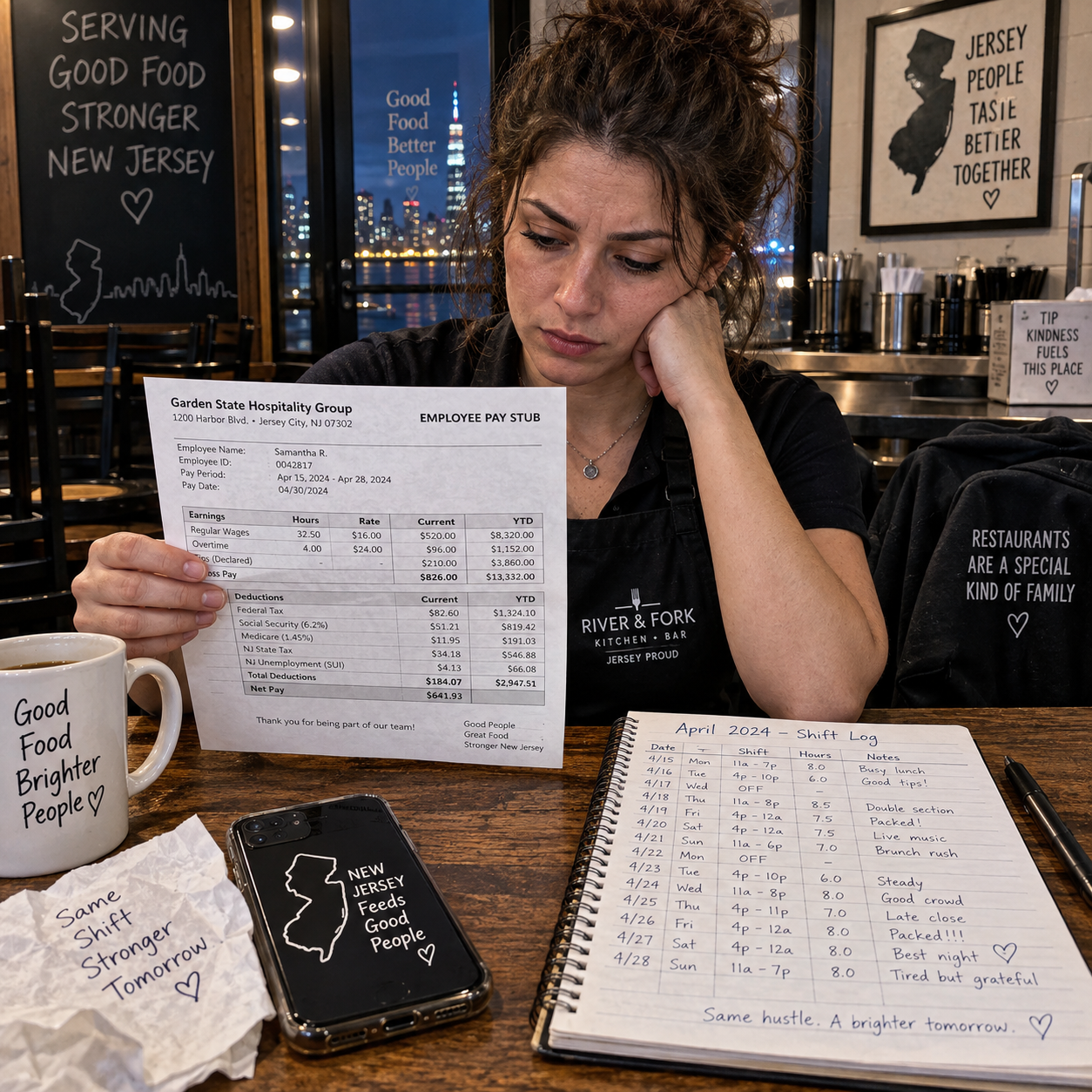
For many New Jersey service workers, a paycheck is the clearest record of what an employer believes their time is worth. When the hours, tips, or rate on that check do not match the work performed, the gap may be wage theft. Knowing what to look for can help workers protect their income and make informed decisions about seeking support.
What wage theft means for service workers
Wage theft is an employer’s failure to pay workers the wages they are legally owed. In New Jersey’s service industries, it can involve unpaid overtime, minimum-wage violations, withheld tips, or required work that never appears on a time sheet or paycheck.
A single payroll error may be accidental. Wage theft is a broader term for wages withheld or denied, whether through a repeated practice, an unlawful policy, or a failure to correct a known shortfall. A worker does not need to prove an employer’s motive before raising a concern about missing pay; the key questions are what work was done, what compensation was required, and what was actually paid.
Service work includes restaurants, hotels, retail, cleaning, delivery, personal care, and other jobs where customer demand can shape daily schedules. New Jersey’s minimum wage and overtime requirements apply according to the worker’s job and circumstances. Specific rules can vary, so a troubling pay stub is a reason to check the current requirements, not to assume the answer from a coworker’s situation.
How wage theft can happen on the job
Wage theft can happen through short paychecks, unpaid work time, or mishandled tips. The details differ by workplace, but several patterns are common enough for workers to recognize and document.
- Unpaid overtime: A nonexempt employee works more than 40 hours in a workweek but is not paid the required overtime rate. For example, a restaurant worker may stay late to close after a scheduled shift and find those hours missing from the weekly total.
- Off-the-clock work: Workers are asked to arrive early, clean, set up, attend a required meeting, or finish closing tasks before clocking in or after clocking out. If the time is work the employer permits or requires, it may need to be recorded and paid.
- Minimum-wage shortfalls: A worker’s pay falls below the applicable minimum wage after accounting for hours and lawful deductions. New Jersey rates can change, so check the current state guidance for the relevant date and job.
- Tip withholding or improper tip practices: Tips may be kept by management, taken from workers, or distributed through a tip pool that does not follow applicable rules. A tipped employee’s cash wage, tips, and any employer tip credit must be assessed under the current requirements.
- Unpaid wages through inaccurate time records: A manager changes clock-in times, removes shifts, or tells staff not to record all hours. Payroll records should reflect the time actually worked.
One unusual paycheck does not establish a violation by itself. Compare pay periods and records, and note whether the same discrepancy appears again. That pattern can help a worker explain the issue clearly.
Why service workers can be vulnerable
Service workers may be especially exposed to wage violations because schedules, income, and job security can depend on employer decisions. That vulnerability does not mean every employer breaks the law; it helps explain why workers may find it difficult to question missing pay.
Shifts can change at short notice, hours may fluctuate with customer traffic, and workers may rely on tips or unpredictable weekly earnings. In a busy kitchen, hotel, store, or cleaning crew, an extra 10 minutes before or after a shift can become routine and hard to track. Workers paid partly through tips may also struggle to tell whether a shortfall reflects a lawful arrangement or a violation.
Power imbalances matter. A worker who depends on a supervisor for future shifts may worry that asking about a paycheck will lead to fewer hours, worse assignments, or dismissal. Workers with limited English access, immigration-related concerns, or little familiarity with labor rules may face additional barriers to getting answers. These pressures can make underpayment seem like a personal dispute when it may call for review under worker protections.
Recognizing and documenting a possible violation
To document a possible wage violation, keep a private, dated record of hours, pay, tips, and communications. Accurate notes can make it easier to compare what happened at work with payroll records and explain the concern to an adviser or enforcement agency.
- Record each workday’s start and end time, meal breaks, and any required tasks before or after a shift. Note whether a break was interrupted by work.
- Save schedules, time-clock screenshots, pay stubs, tip statements, and records showing the pay rate. Keep copies somewhere you can access outside the workplace.
- Preserve relevant messages, emails, and written instructions about early arrivals, closing work, schedule changes, or tip distribution.
- Compare your own hours with the pay period shown on each stub. Write down the specific discrepancy, such as two closing shifts missing from a weekly total.
- Keep the record factual. Note dates, amounts, and what happened; avoid editing original files or taking confidential customer or business information you are not authorized to access.
Do not rely only on memory or a coworker’s records. Your own contemporaneous log can be useful even when an employer controls the official timekeeping system. If you are unsure whether a task counts as paid time, record it and ask a qualified source rather than leaving it out.
Where workers can turn for help
Workers who suspect wage theft can seek guidance or report concerns to the appropriate New Jersey or federal labor agency. Which route fits depends on the issue, the worker’s situation, and current procedures, so verify the latest instructions before filing.
The New Jersey Department of Labor and Workforce Development provides information on wage and hour standards and complaint options. Workers can begin with the state’s official labor department website and look for current wage complaint guidance. The U.S. Department of Labor’s Wage and Hour Division may also be relevant for federal wage protections; its Wage and Hour Division resources explain how to contact the agency.
A worker may also consult a legal aid organization, worker center, union representative, or employment attorney. Before sharing records, ask how the organization handles confidentiality and what information it needs. A report does not guarantee a particular outcome, and deadlines or remedies can depend on the facts. This article offers general information, not legal advice.
What stronger protections could look like
Stronger wage protections combine clear rules, accessible enforcement, and practical ways for workers to recover unpaid wages. A law on the books has limited value if workers cannot learn about it, document a violation, or raise concerns without fear.
Policy improvements can include multilingual information about minimum wage, overtime pay, and tip rules; simple reporting channels; adequate staffing for wage enforcement; and timely investigations. Employers can support compliance through accurate timekeeping, itemized payroll records, clear tip policies, and a process for correcting pay errors promptly.
Workers also need protection against retaliation for raising wage concerns or participating in an investigation. Public agencies and advocacy groups can make rights easier to understand, while enforcement helps establish that unpaid wages are not a cost of doing business. The goal is practical accountability: workers should be paid for their work, and employers that follow the rules should not be undercut by competitors that do not.
Frequently asked questions
What counts as wage theft?
Wage theft generally means failing to pay wages a worker is legally owed. Examples can include unpaid overtime, minimum-wage shortfalls, withheld tips, or required off-the-clock work. Whether a specific practice violates the law depends on the facts and applicable rules.
What records should a worker keep?
Keep personal work-hour logs, schedules, pay stubs, time-clock records, tip statements, and messages about work expectations or pay. Save dated copies in a secure place you can access if you leave the job.
Can a worker report suspected wage theft?
Yes. Workers can contact the New Jersey Department of Labor and Workforce Development or, where relevant, the federal Wage and Hour Division. Check each agency’s current complaint process and consider seeking legal or worker-center guidance if you are unsure where to start.
What should workers know about retaliation?
Retaliation may include punishment for raising a wage concern or taking part in an investigation, and worker protections may apply. Keep a dated record of concerning changes or threats and ask a qualified agency or legal adviser about the protections and options that fit your circumstances.